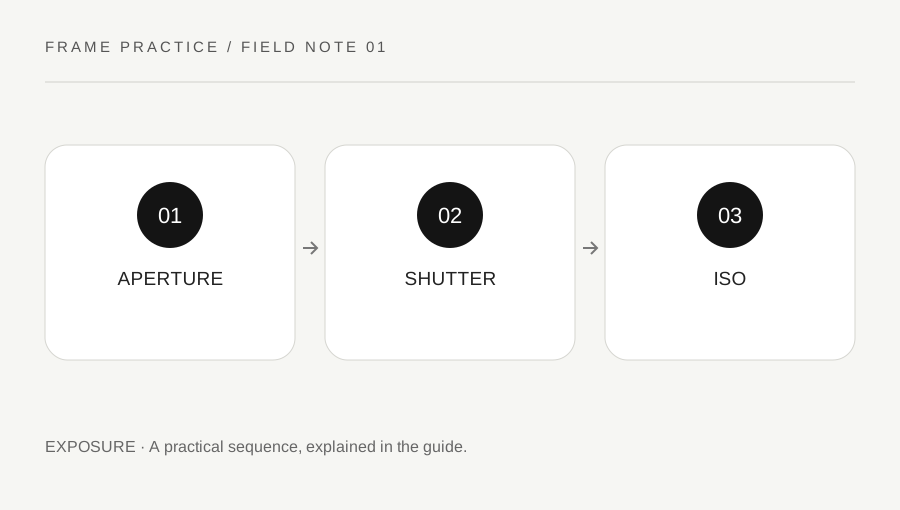
Aperture, Shutter Speed and ISO: Read the Trade-Offs
Camera settings are easier to understand when each has a job. Choose the look you need, then decide which setting can compensate.
Read the complete guide ↗Understand aperture, shutter speed, focus and composition through practical still-photography exercises and clear examples.
Explore the detailed guides ↗Clear explanations · Worked examples · Practical tools
Editorial photograph: Jason Leung / Unsplash. Illustrative scene; not a photograph of our own testing.
Six complete guides.
Camera settings are easier to understand when each has a job. Choose the look you need, then decide which setting can compensate.
Read the complete guide ↗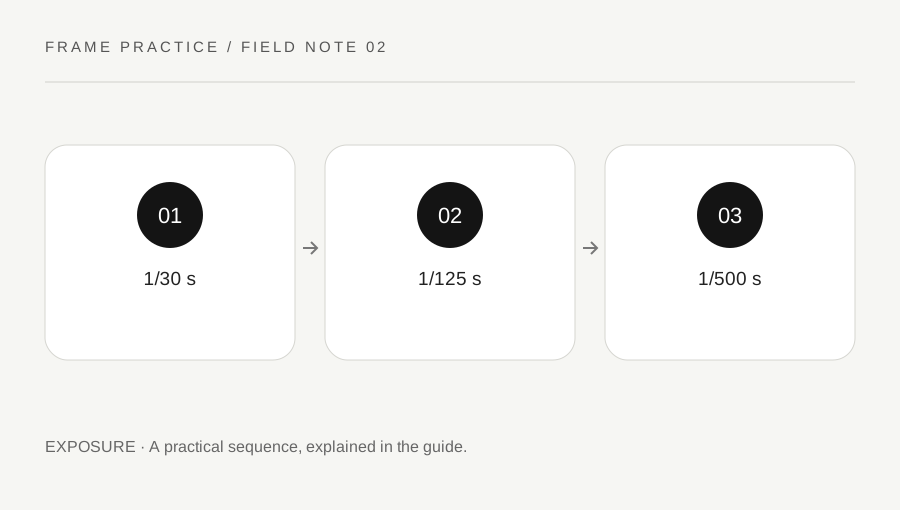
A shutter speed is a duration, not a universal promise of sharpness. Subject movement, camera movement and framing affect the result.
Read the complete guide ↗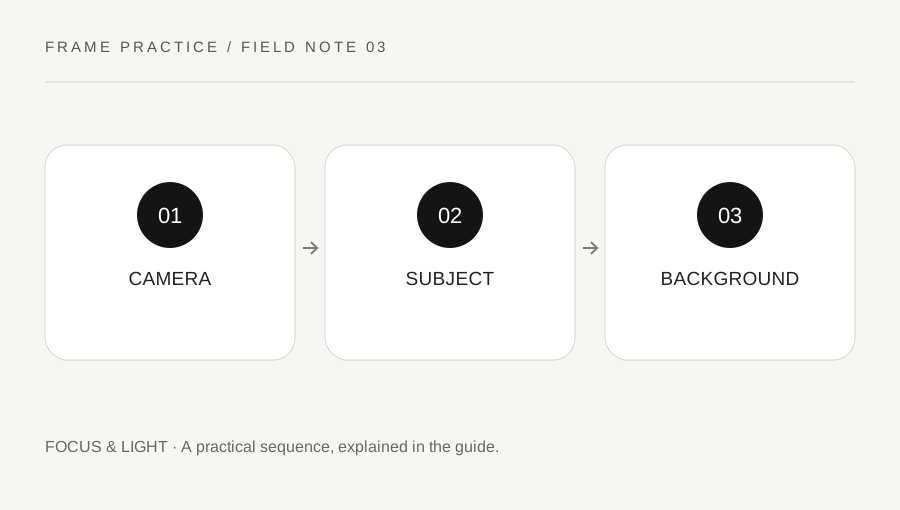
Background softness is influenced by more than the aperture number. Start with the arrangement of camera, subject and background.
Read the complete guide ↗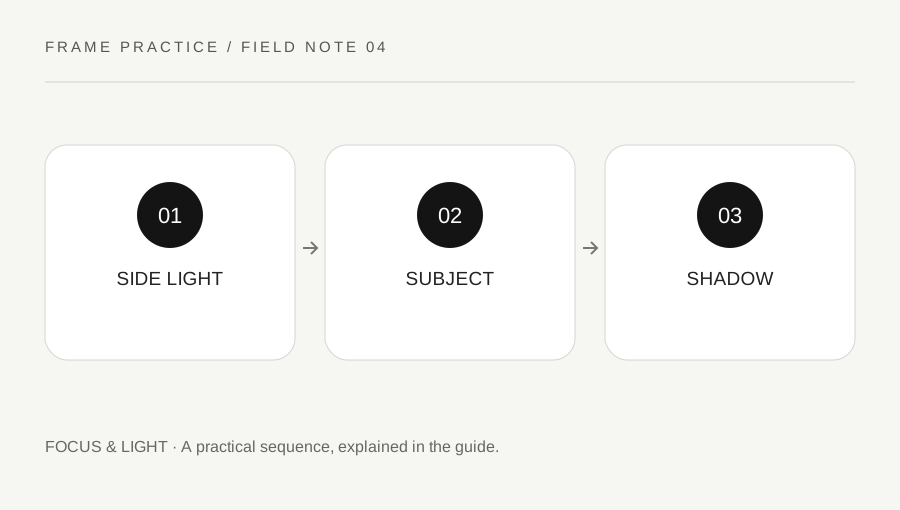
One window and a stationary subject are enough for a useful light experiment. Change the direction of light before adding equipment.
Read the complete guide ↗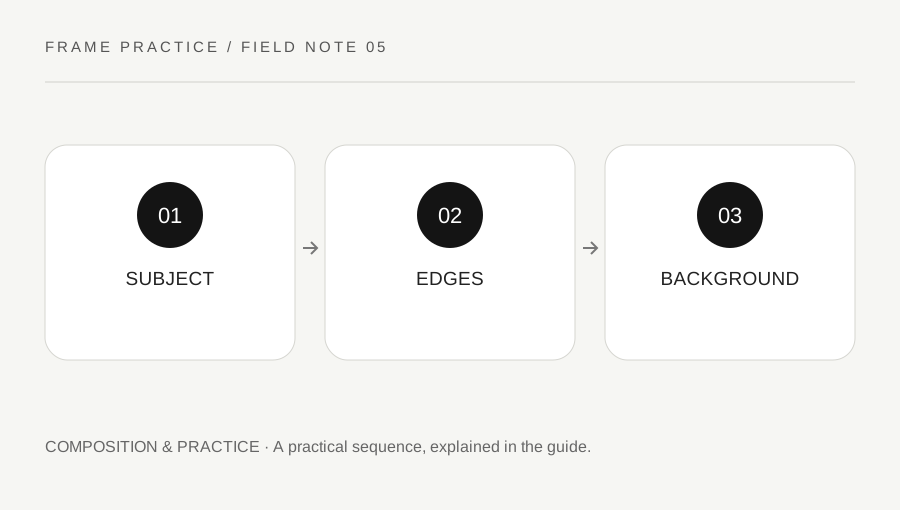
A composition does not become clear because a grid is visible. Check what the frame includes, what it cuts off and where your attention goes.
Read the complete guide ↗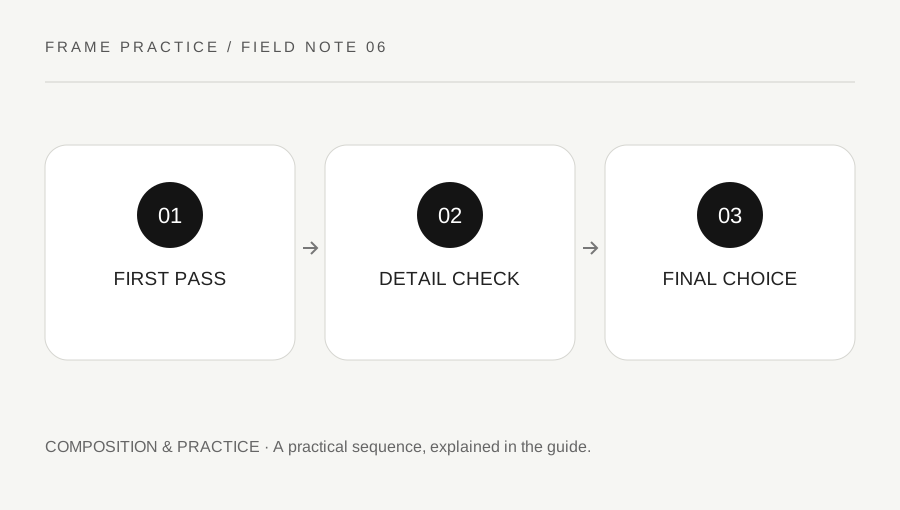
Selecting a photograph is a separate skill from taking it. A small contact sheet makes patterns and differences easier to compare.
Read the complete guide ↗Read the explanation, inspect the example and use the checklist at your own pace. Our guides make assumptions visible and explain when a general suggestion may not fit. How this journal is made ↗