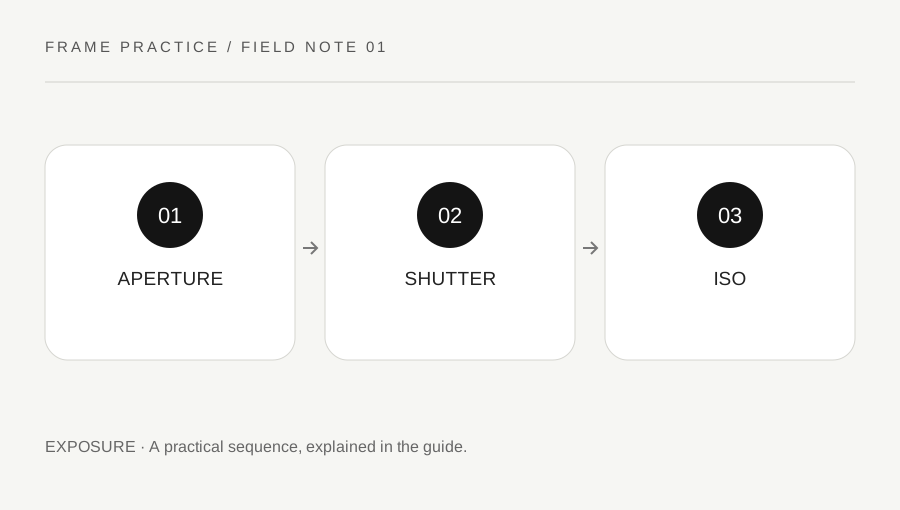
Aperture, Shutter Speed and ISO: Read the Trade-Offs
Camera settings are easier to understand when each has a job. Choose the look you need, then decide which setting can compensate.
Read the complete guide ↗Understand aperture, shutter speed, focus and composition through practical still-photography exercises and clear examples.
Explore the detailed guides ↗Clear explanations · Worked examples · Practical tools
Editorial photograph: Jason Leung / Unsplash. Illustrative scene; not a photograph of our own testing.
20 complete guides.
Camera settings are easier to understand when each has a job. Choose the look you need, then decide which setting can compensate.
Read the complete guide ↗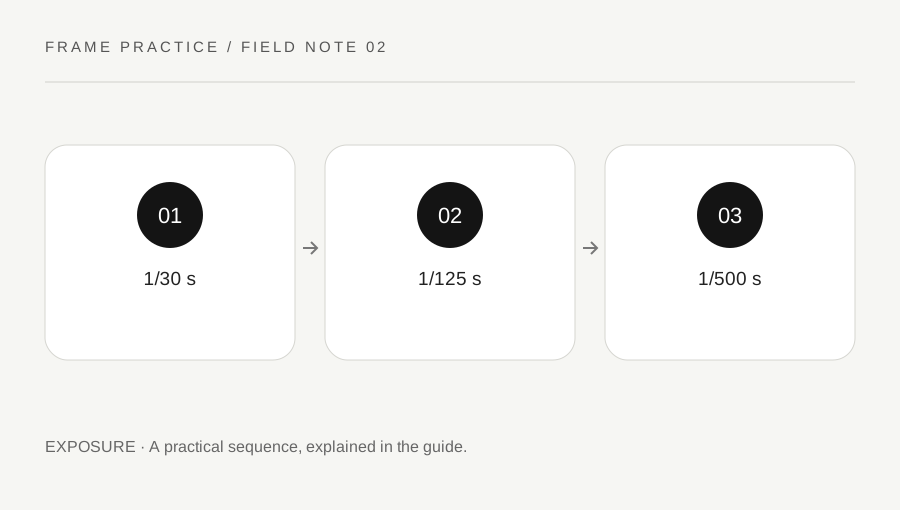
A shutter speed is a duration, not a universal promise of sharpness. Subject movement, camera movement and framing affect the result.
Read the complete guide ↗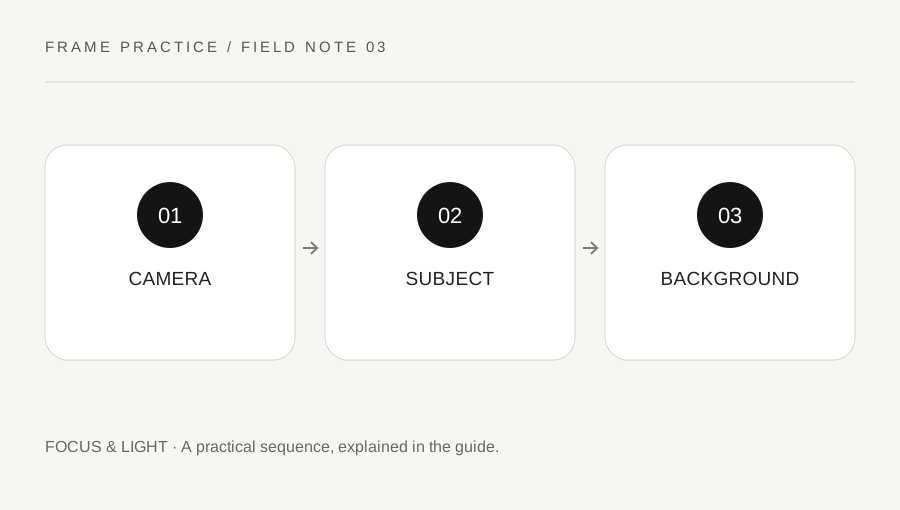
Background softness is influenced by more than the aperture number. Start with the arrangement of camera, subject and background.
Read the complete guide ↗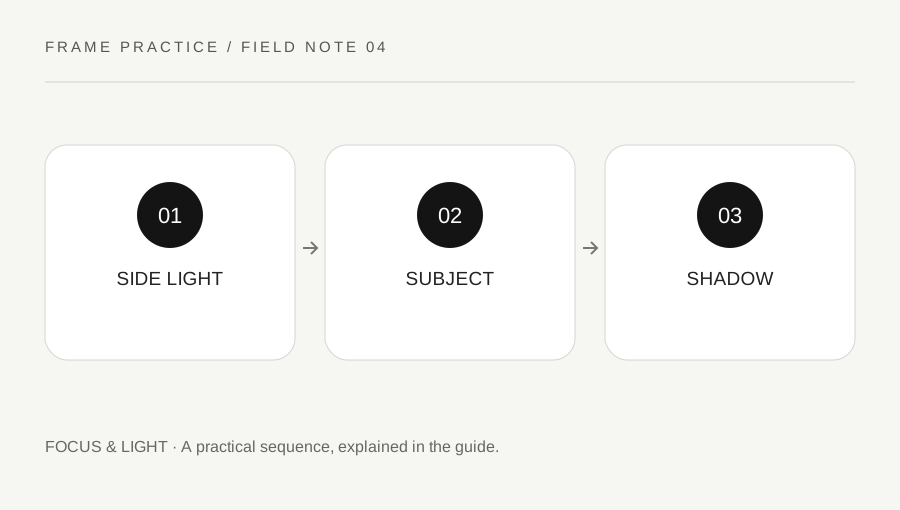
One window and a stationary subject are enough for a useful light experiment. Change the direction of light before adding equipment.
Read the complete guide ↗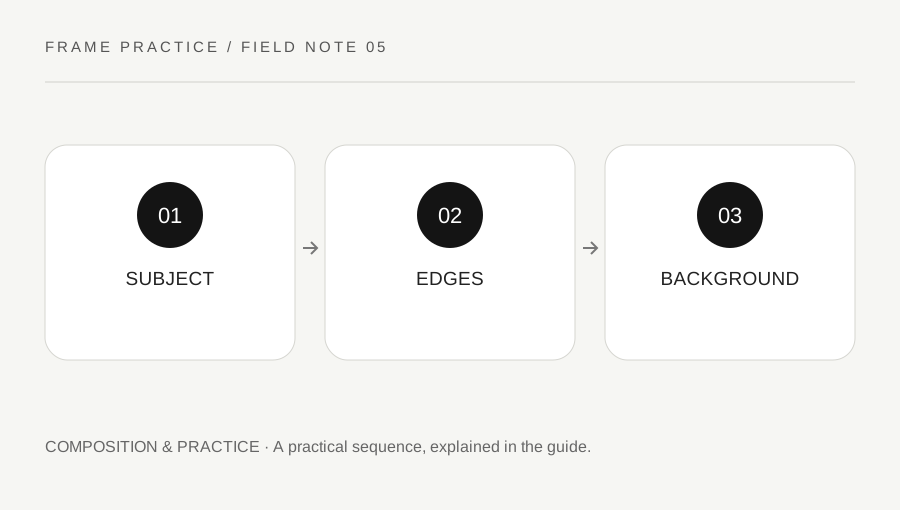
A composition does not become clear because a grid is visible. Check what the frame includes, what it cuts off and where your attention goes.
Read the complete guide ↗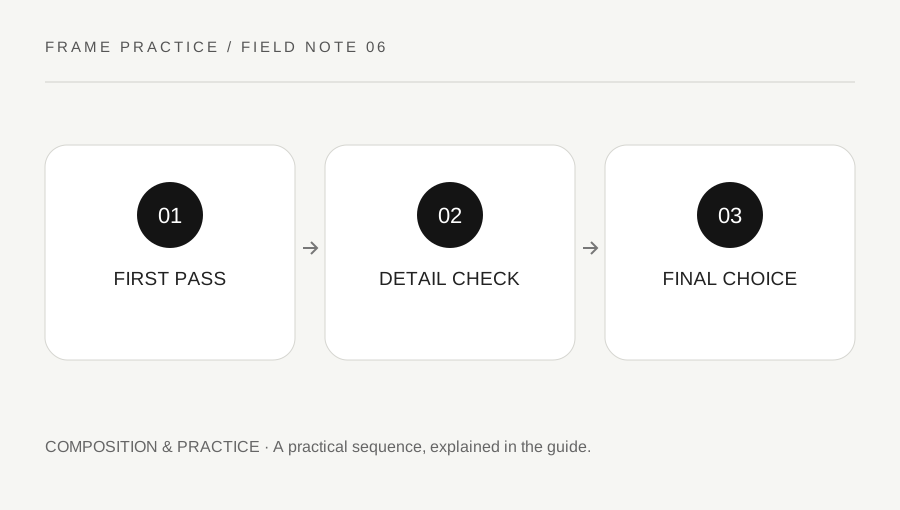
Selecting a photograph is a separate skill from taking it. A small contact sheet makes patterns and differences easier to compare.
Read the complete guide ↗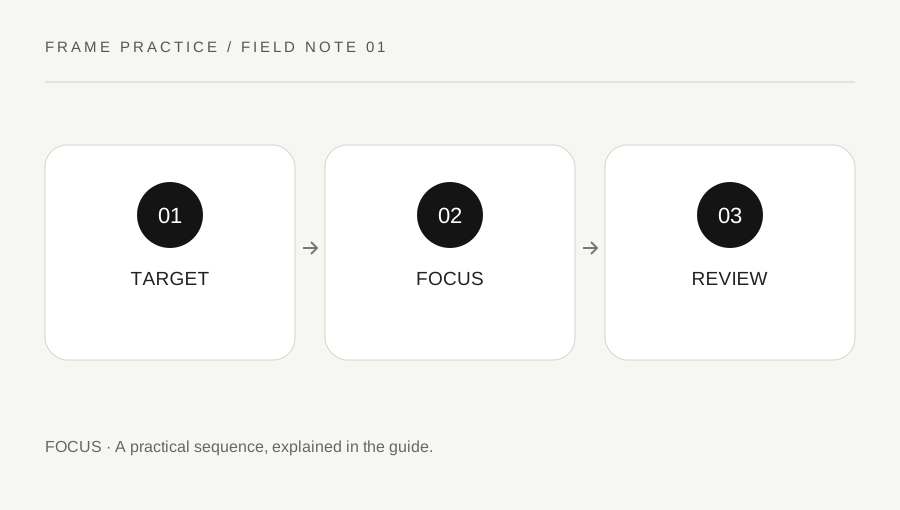
For a stationary subject, a selected focus point can make your intention clearer. Put it on a meaningful detail, confirm the result and separate focus error from motion blur.
Read the complete guide ↗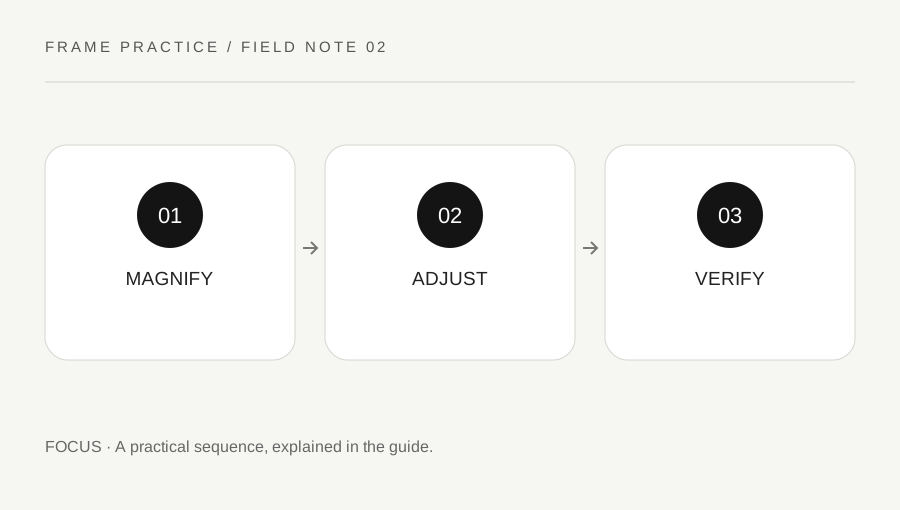
A magnified monitor view can help you place focus on a static detail. Use the camera’s supported controls and verify the captured image instead of assuming a highlighted edge proves everything is sharp.
Read the complete guide ↗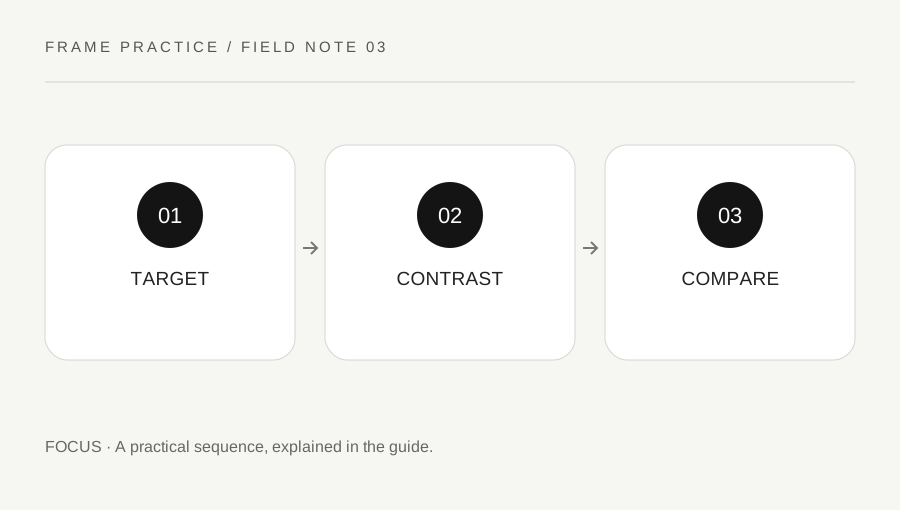
A blank wall, reflective surface or small distant subject can make focus acquisition difficult. Read the camera’s limitations and compare a clearer target before treating every hunting lens as a fault.
Read the complete guide ↗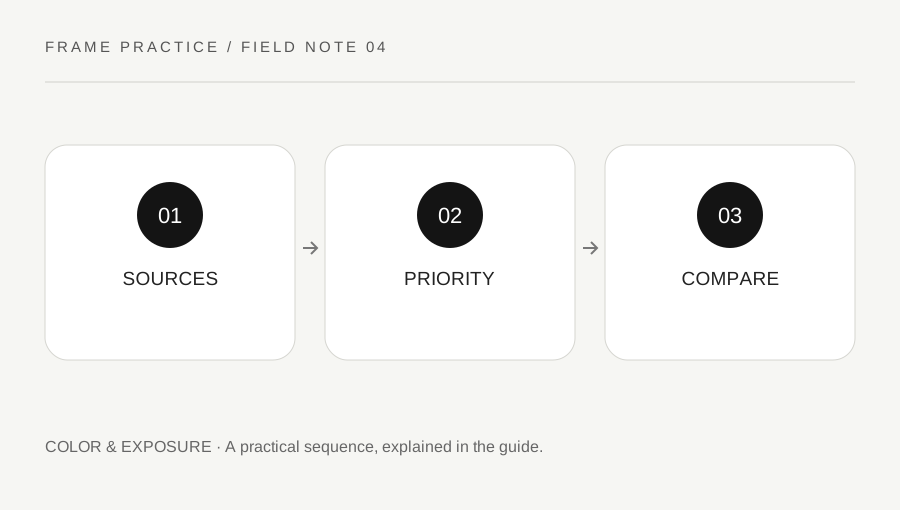
One white-balance setting cannot necessarily make different light sources look identical. Identify the main subject light, compare a few supported choices and keep creative preference separate from neutral-color accuracy.
Read the complete guide ↗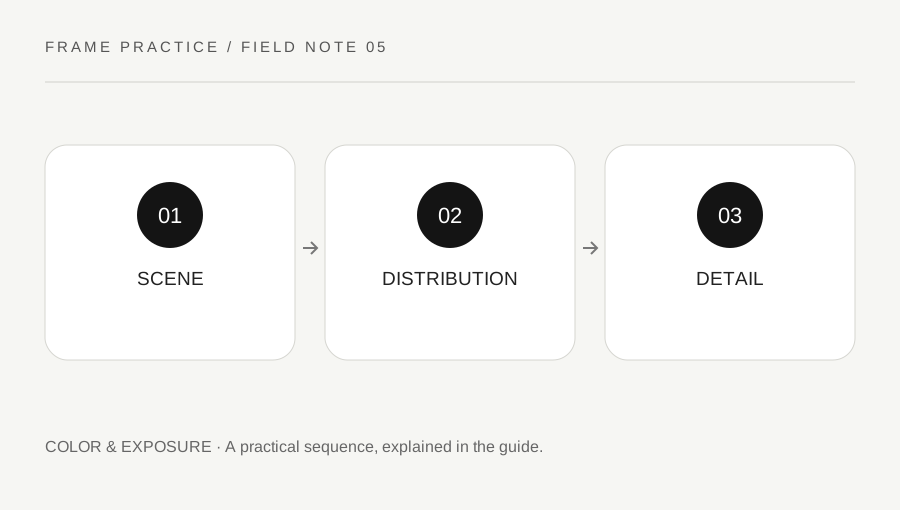
A histogram describes a distribution of tones, not a universal target shape. Compare it with the subject, important detail and the camera’s highlight information before changing exposure.
Read the complete guide ↗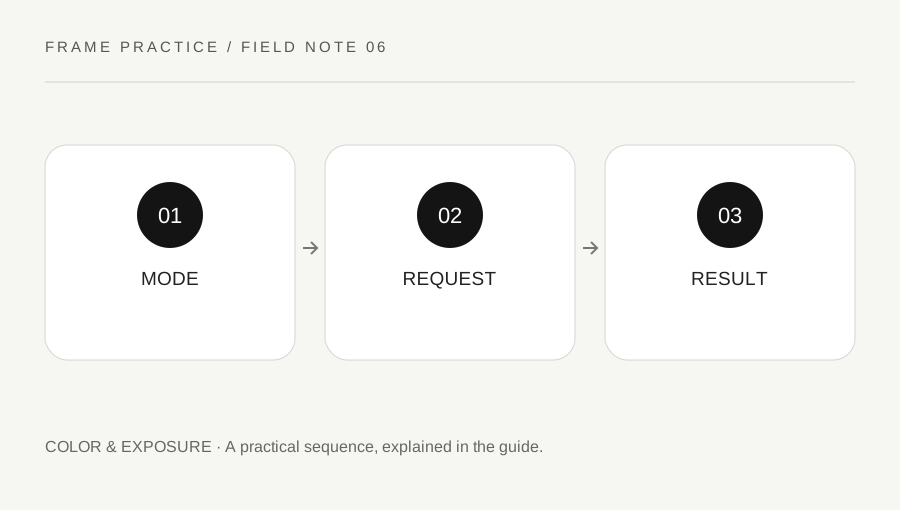
Exposure compensation is a request within a camera mode, not a separate source of light. Read which settings remain automatic, then review the resulting shutter, aperture and ISO choices.
Read the complete guide ↗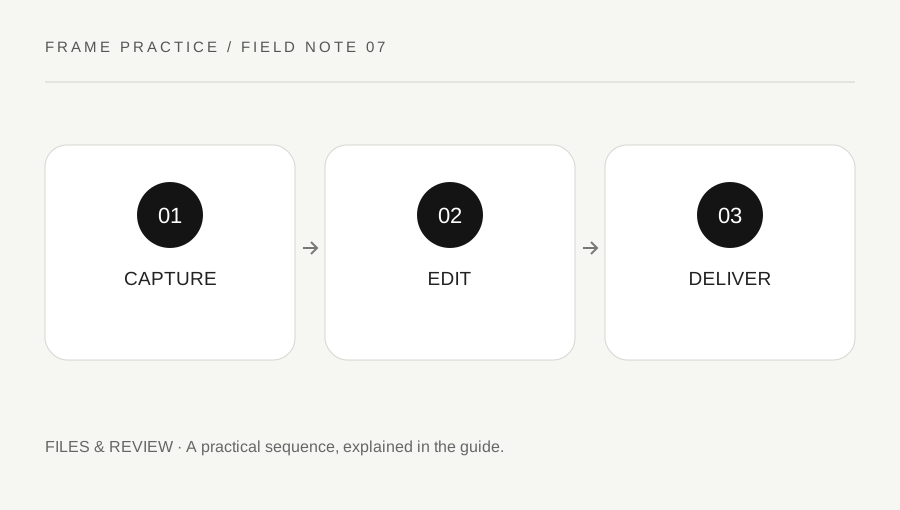
A capture format is a workflow choice, not a badge of seriousness. Check editing needs, storage, compatibility and delivery before deciding whether RAW, JPEG or a supported combined option fits the task.
Read the complete guide ↗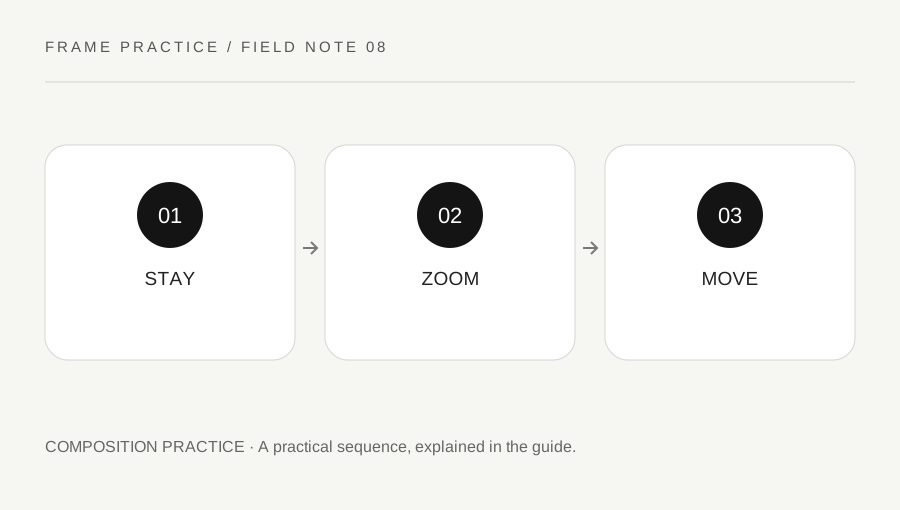
Changing focal length changes the view, while moving the camera changes the spatial relationship you see. Keep those actions separate in a simple exercise before deciding that a lens creates one inevitable look.
Read the complete guide ↗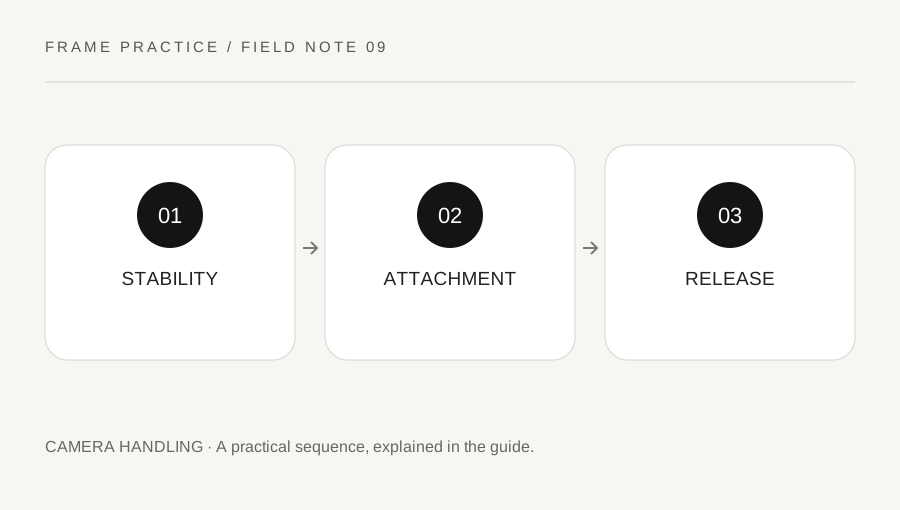
A tripod helps only when the setup is stable and appropriate for the equipment. Check attachment, positioning and the camera’s release behavior before judging the captured detail.
Read the complete guide ↗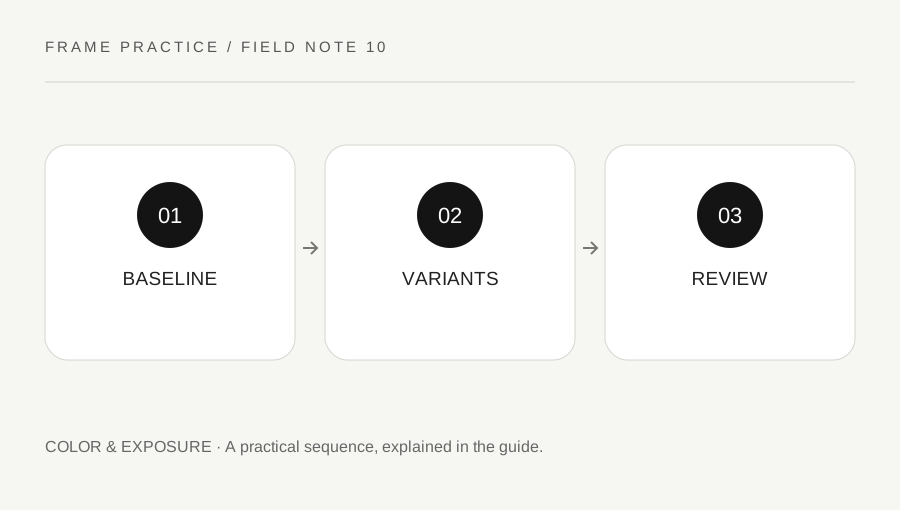
A bracket gives you several exposure variants to review. Read which settings the camera changes, keep the scene stable and do not confuse a comparison sequence with an automatically finished HDR photograph.
Read the complete guide ↗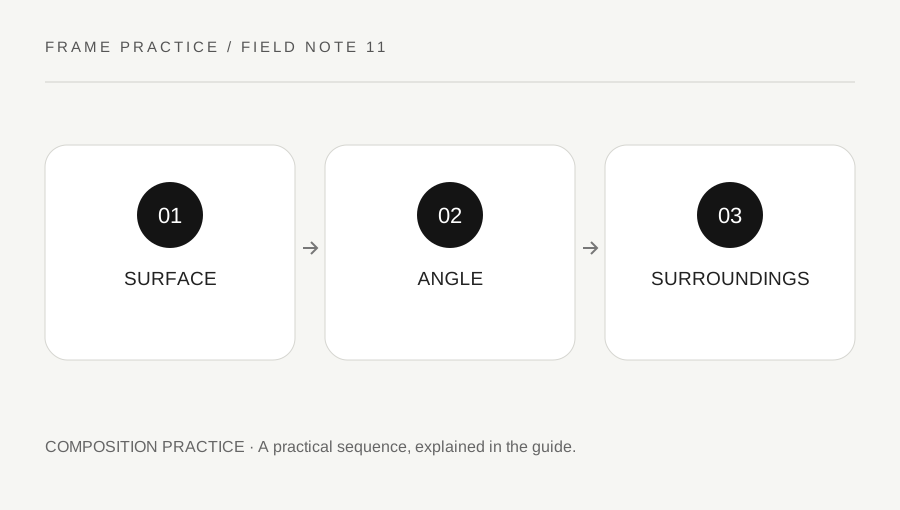
A reflection is part of what the surface shows the camera. Move carefully, simplify the surroundings and compare the result before assuming an editing tool or filter will remove every problem.
Read the complete guide ↗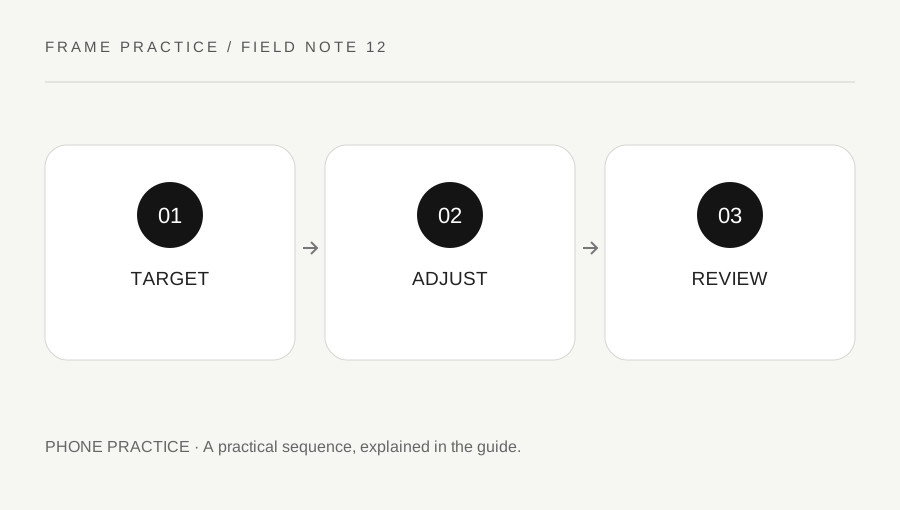
A phone can make many decisions automatically, but a simple focus-and-exposure check still helps. Use the controls supported by your device and compare the saved image rather than only the live preview.
Read the complete guide ↗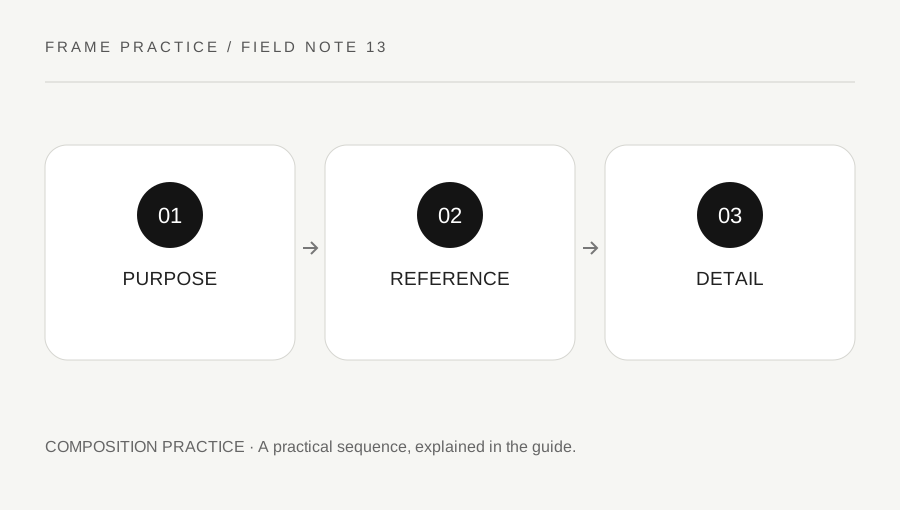
A close view can show detail while making size ambiguous. Decide whether the photograph is a creative image or an explanatory record, then use a suitable reference without hiding the object.
Read the complete guide ↗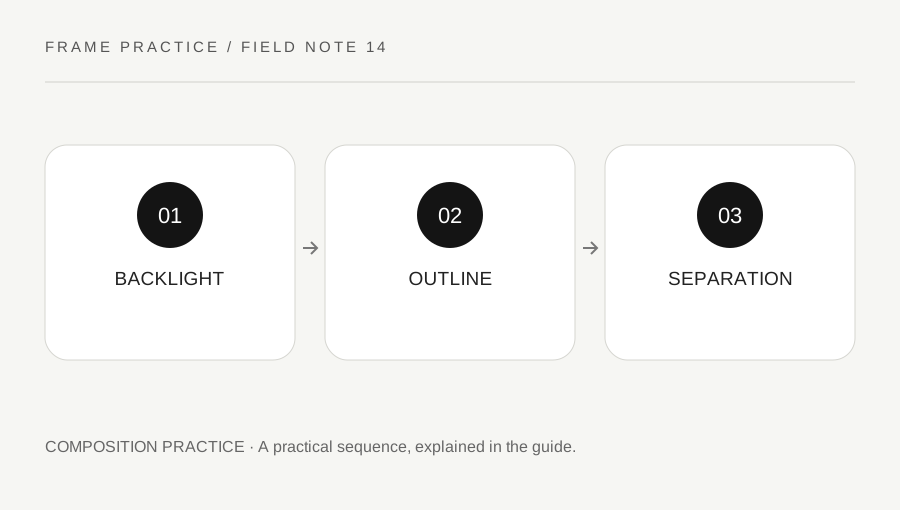
A silhouette relies on recognizable shape and separation. Choose a safe backlit arrangement, simplify overlaps and review the outline before worrying about detail inside the dark subject.
Read the complete guide ↗Read the explanation, inspect the example and use the checklist at your own pace. Our guides make assumptions visible and explain when a general suggestion may not fit. How this journal is made ↗